Keagan Boucher

Designer and developer
I find a problem people actually have, then design and build the product that solves it.
Open to junior UX and Software Development roles
If a product does not solve a real problem for real people, it is not worth the hours. So the problem comes first, and everything after it has to earn its place.
Work
Three projects. One shows the whole loop, one the research, one the engineering.
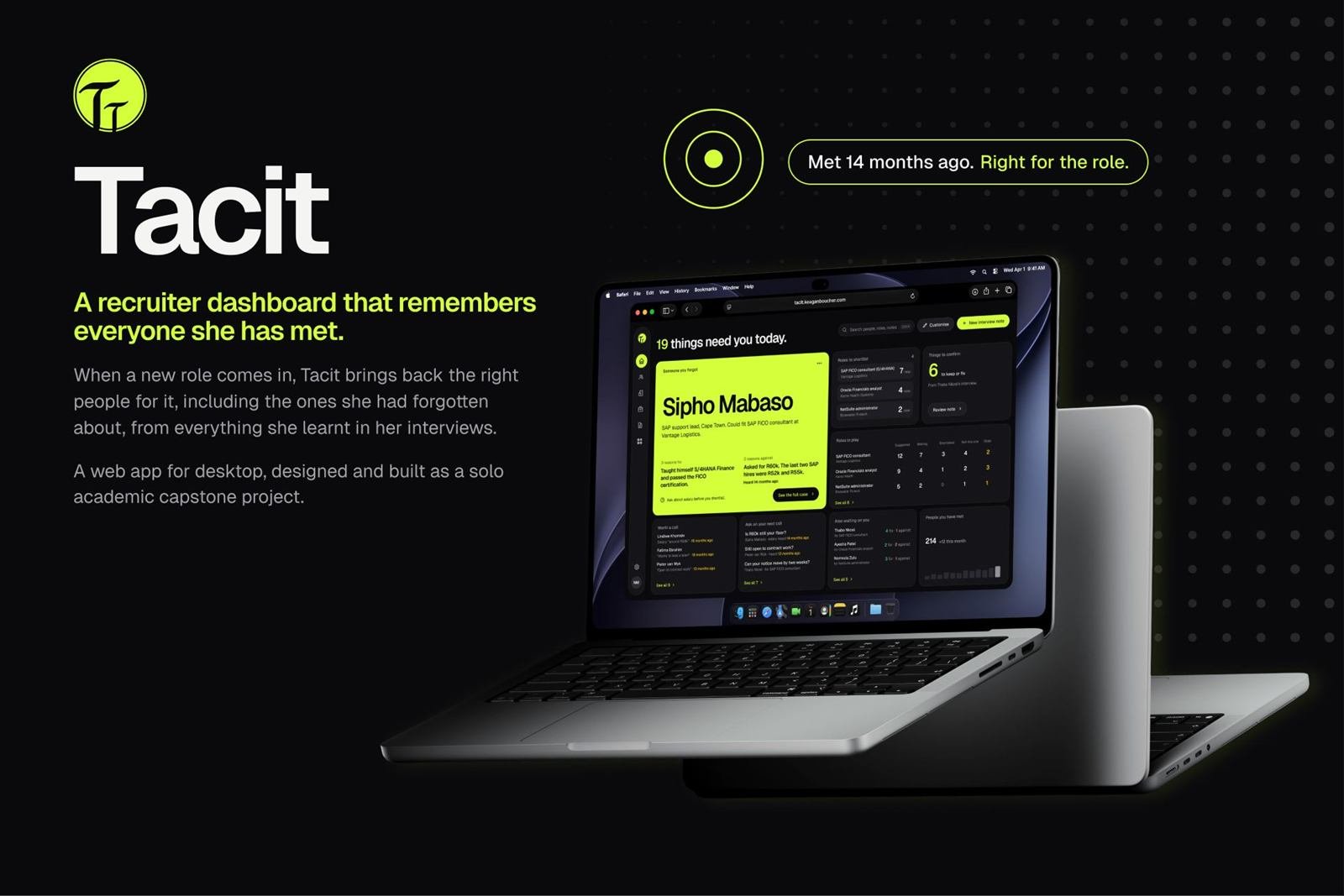
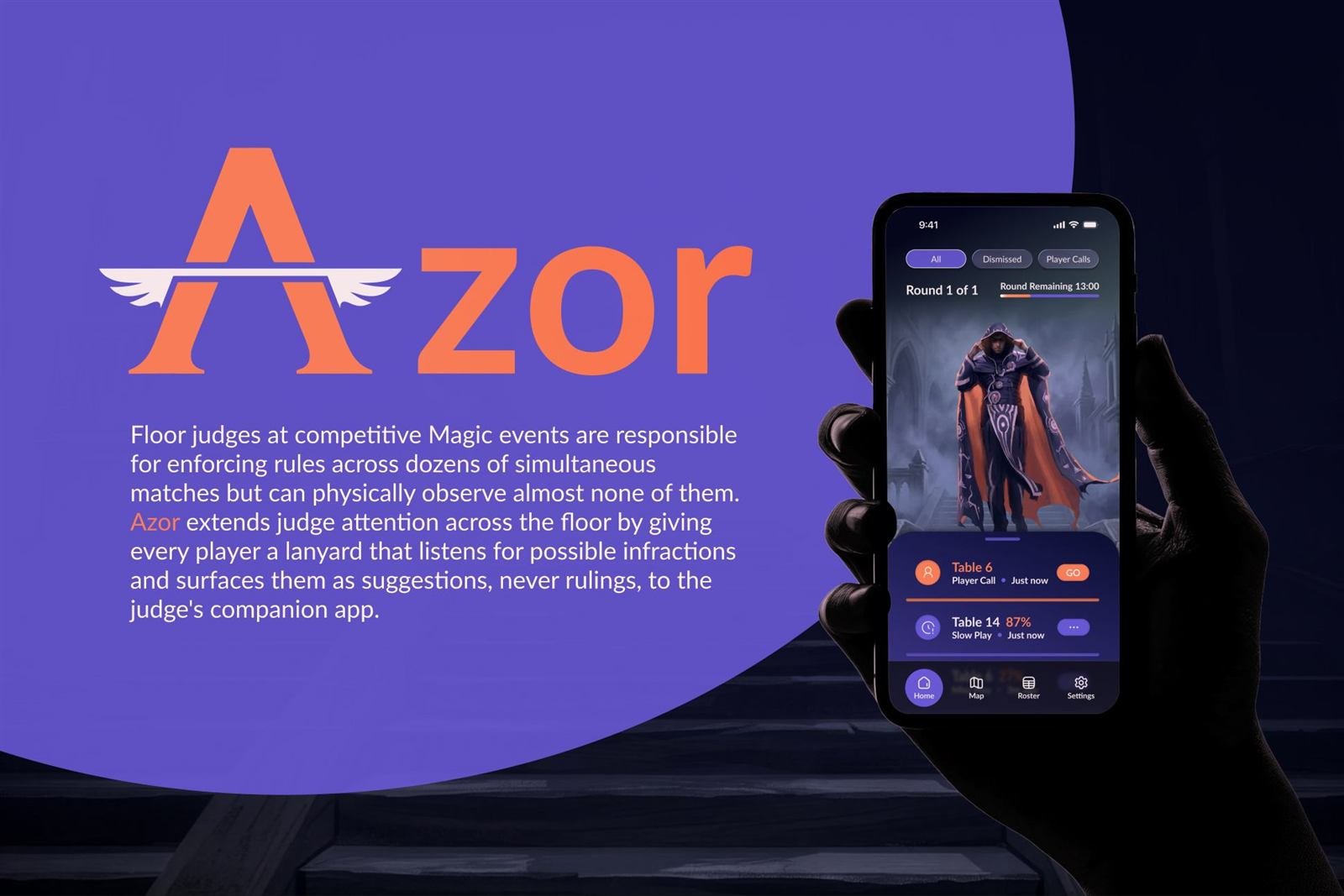
All work5 more case studies and builds
Cleate
A reassurance app for people with OCD
Stakr
Offline stock counting for convention stalls
She is Design
A community platform for female design students
BeastBinder
A D&D monster companion for Dungeon Masters
Pour Decisions
A boutique wine store with a card-sequence login
Method
Every project takes the same road, from a problem worth solving to a product in someone's hands.
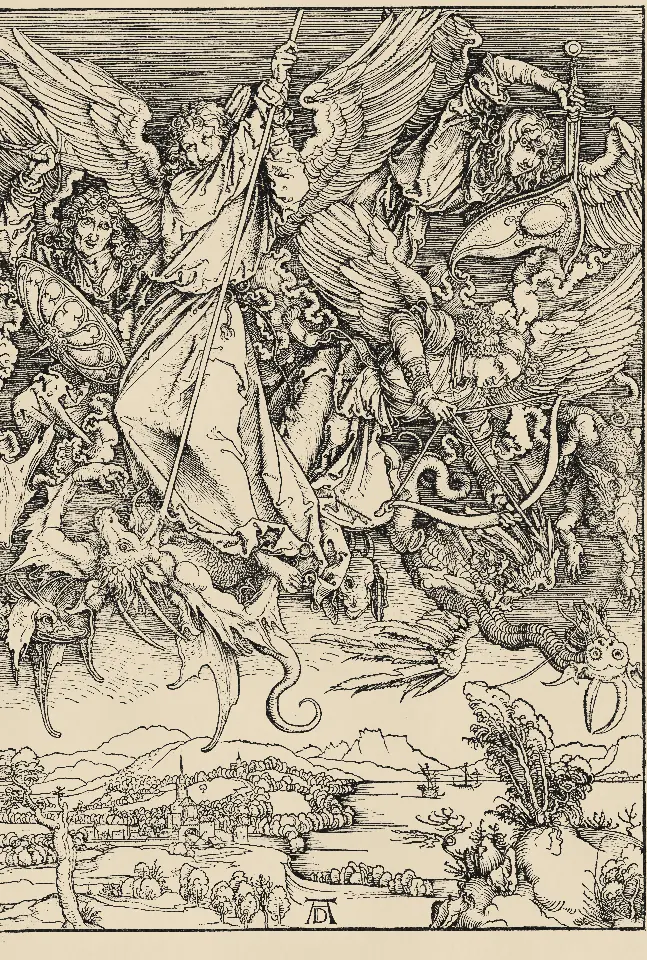
Find the problem
Thinking through interviews, observations or working around what people already use. If nobody has the problem, I don't build the product.
Tacit started with a working IT recruiter. Stakr started on a convention floor.
Shape it in Figma
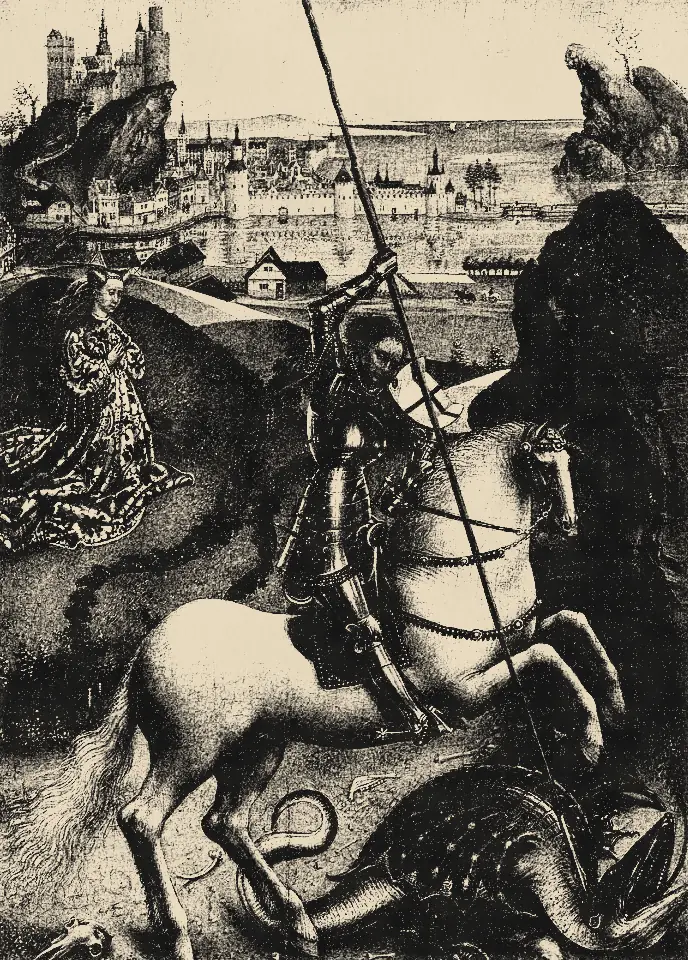
I map out the flows first, then the screens, then a prototype someone can actually use. The testing process decides what stays, not me.
Azor was tested with five participants before a line of code.
Build it for real
I build the front end in React and TypeScript, with Node and Firebase behind it. Since I build what I design, none of my details get lost during a handoff.
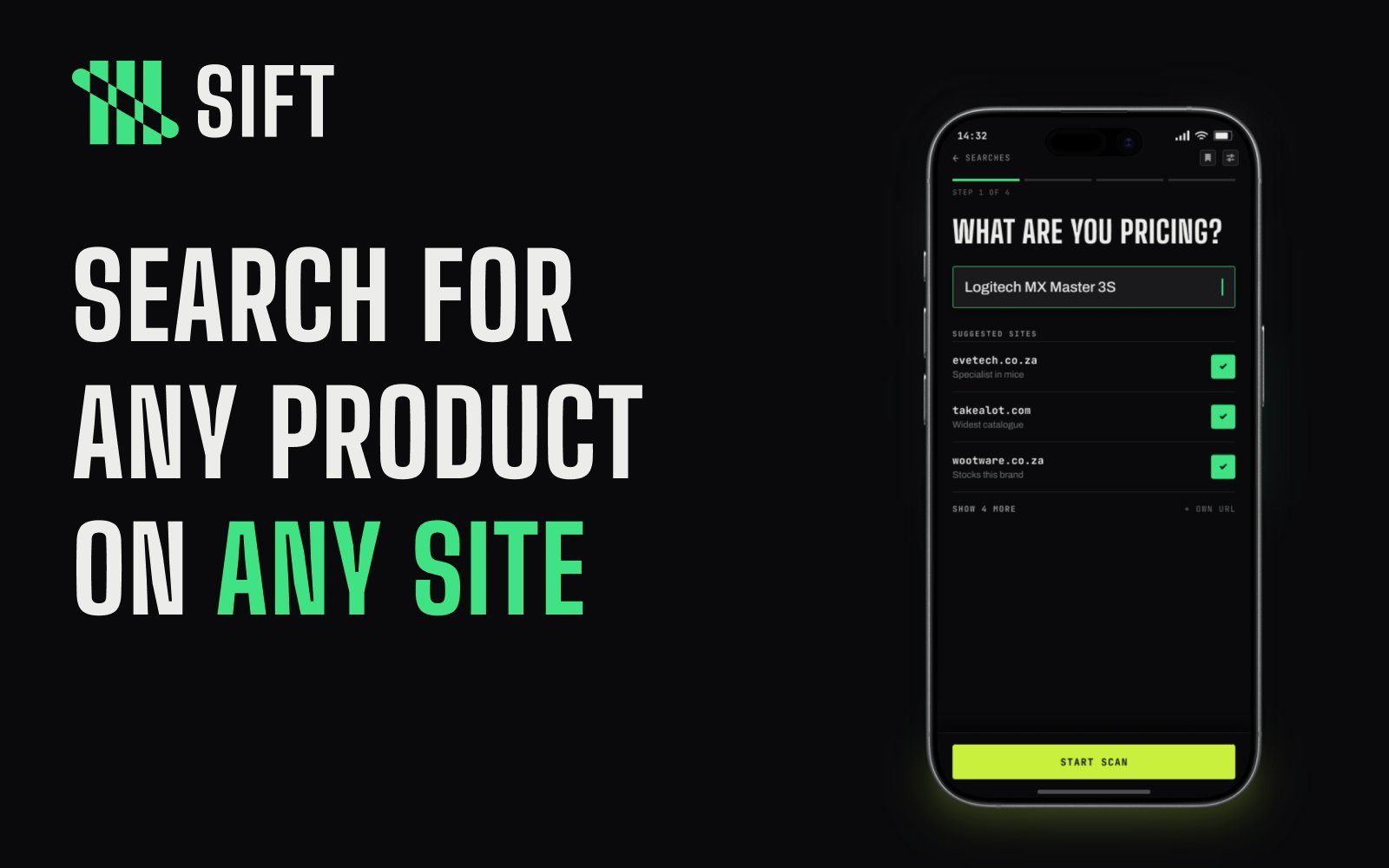
Sift runs a five-tier extraction pipeline with 62 passing backend tests.
Put AI to work
I use AI to draft, sort and speed up every stage. A person still makes the final call, in how I work and in what I ship.
Tacit reads interview notes and suggests. The recruiter decides.
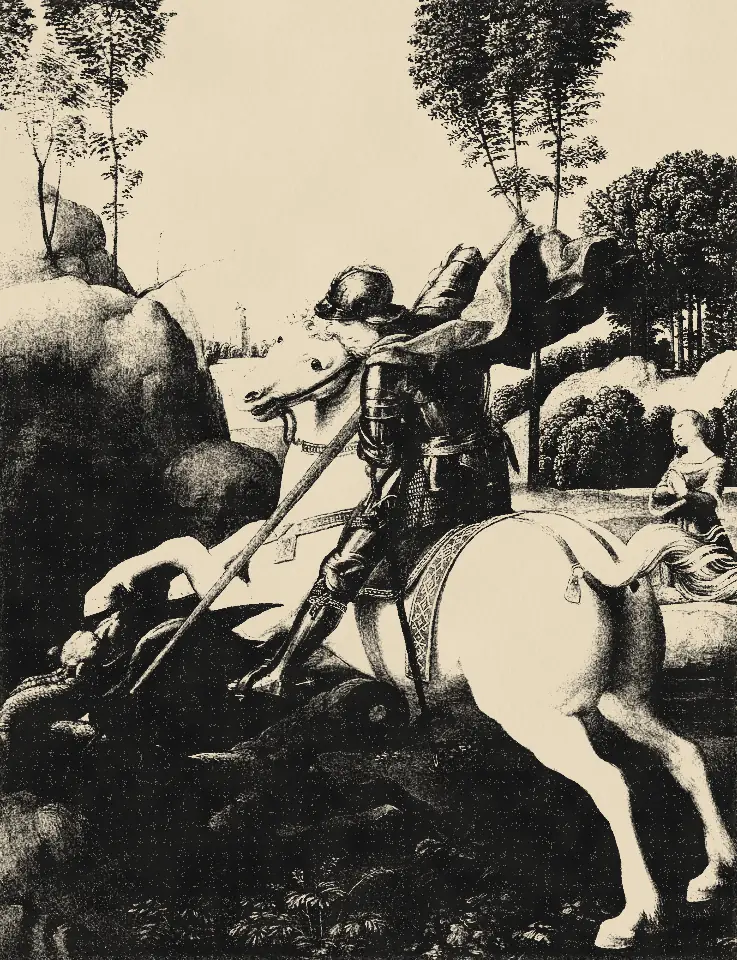
Dramatic design brings attention

Toolbox
Design
Languages
Frameworks
Styling and state
Data and services
Testing
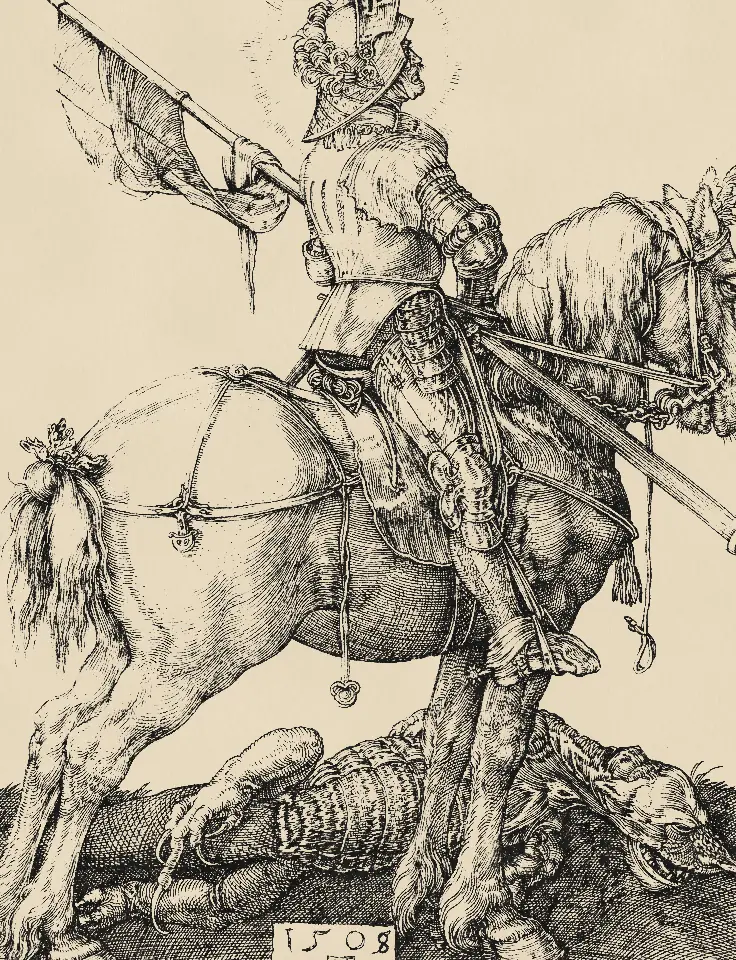
I'm a designer, and I write my own code. I've never managed to keep the two apart. I like design with a bit of drama in it. Old engravings, heavy blackletter, a lot of red. But my own taste is a bad predictor of how people will actually behave, so I test early and change things when I'm wrong. That happens a lot. New interaction ideas get me excited, especially ones nobody has tried, and I'll drop them just as fast when they don't work. When I'm nudging someone toward something, I'd rather use a good default than a flashing countdown timer. If people can tell they're being pushed, I've done it badly.
Outside of work I'm a nerd at heart. I love Magic: The Gathering, and I'll play pretty much any indie game or board game you put in front of me. I was born in South Africa and I'm a British citizen. I got into design because I wanted to make things that make people go "wow, that looks sick", and that hasn't changed. I want people to get excited about new kinds of tech, and how something looks and feels is usually what gets them there.
My approach to design.
Read my manifesto